By Clarissa Enos Plagmann
Note: I published this post on Substack, and on my other blog, but I am consolidating the two blogs into one now, so I am working on transferring my posts here. Here is the full blog post. I think this is such an important topic and it’s so important to me. Please like, share, and comment. I’d love to hear from you!
If you can’t see why so many Autistic and ADHD people are anxious, afraid, or feeling overwhelmed right now, I want to share some of the reasons why. This might not make sense if you support our current politicians or their policies and they seem like progress to you, but it’s important to understand that the current political climate feels threatening for many of us.
Autistic and ADHD individuals often experience heightened emotions, which can lead to struggles with anxiety, depression, trauma (often from unexpected sources), and rejection sensitivity. When the political environment becomes hostile or uncertain, it only amplifies these challenges. For many, the future feels bleak, especially when those who are supposed to represent us make statements or push policies that harm us. And speaking up about these issues can seem daunting when our brain sees rejection everywhere and is highly sensitive to opposing views.
The Current Climate: Why We’re Afraid
Over the past few years, we’ve heard damaging rhetoric from political leaders, including President Trump. In 2014, he made a harmful claim about the connection between vaccines and autism—one that has been definitively debunked, but he has continued speaking on a connection between vaccines and autism, despite the extensive scientific research that has been done by the World Health Organization and Centers for Disease Control and Prevention, and other scientific organizations. This rhetoric doesn’t just misinform; it actively harms autistic children and adults. Many of whom are also immunocompromised as well and rely on herd immunity.
In February 2025, Trump signed an executive order creating the “Make America Healthy Again Commission.” The order labels conditions like autism, ADHD, depression, and others as “a dire threat to the American people and our way of life.” This is misleading. Conditions like these are more commonly diagnosed because we have better healthcare and diagnostic tools, not because they are “on the rise.” But instead of celebrating these advancements, these politicians continue to spread fear, harming both our communities and the systems we rely on.
Most disturbingly, Trump appointed Robert F. Kennedy Jr., a known vaccine skeptic and advocate of harmful, outdated policies, to lead the Health Administration. His ideas—such as suggesting people on stimulant medications (including ADHD medications like Adderall) should be sent to “wellness farms”—feel chilling and reminiscent of historical atrocities.
Threats to Healthcare, Education, and Disability Rights
Politicians like Trump have also pushed harmful policies aimed at cutting essential services:
- Education: Trump has proposed gutting the Department of Education, giving states more control over school systems. For families with Autistic or ADHD children, this could mean losing access to essential Special Education services. The idea that all kids should have access to education is at risk, and we fear that our children will be left behind.
- Healthcare: The potential removal of Medicaid or cuts to other support services would devastate the disabled community. Many of us rely on Medicaid for life-saving care, and without it, we’d be buried in debt or unable to receive the life-saving treatments and mental healthcare we need.
- Disability Rights and Employment: The dismantling of DEI (Diversity, Equity, and Inclusion) policies could lead to increased discrimination in the workplace, leaving many of us without accommodations that help us thrive. DEI policies ensure that Autistic and ADHD individuals can access fair employment opportunities and receive necessary accommodations, like flexible work hours or the ability to take breaks. Without DEI, we risk facing systemic exclusion.
The Growing Social Stigma
The rhetoric we hear from politicians and the media paints neurodivergent people as burdens or problems to be “fixed.” This simply isn’t true. We are writers, teachers, doctors, and more—we contribute to society in countless ways. Yet, the stigma remains, with our value being questioned based on whether we fit conventional societal molds. We are more than our struggles, and we deserve recognition for who we are, not just for “overcoming” our conditions.
The Historical Context: Why This Feels Familiar
My family has a long history of neurodivergence. I am both Autistic and ADHD, as are several of my siblings, and I am raising children who are also neurodivergent. I am deeply afraid for their future. The political climate today feels eerily similar to a darker time in history when disabled individuals were institutionalized, sterilized, and treated as if their lives were less valuable.
The disability rights movement was born out of this history of mistreatment. The Americans with Disabilities Act (ADA), passed in the 1990s, was a victory for disabled people—but the fight isn’t over. Now, with policies aiming to undo key protections, it feels like we’re slipping backward. The same harmful rhetoric we’ve heard in the past is resurfacing, and organizations like Autism Speaks continue to push for “cures” instead of supporting neurodivergent individuals as we are.
We Are Afraid, But We Are Also Fighting Back
The fear we feel isn’t just for ourselves; it extends to others—people of color, queer people, trans people, and other marginalized communities. Many Autistic and ADHD individuals, myself included, have a deep sense of justice that drives us to fight for not only our rights but the rights of all those who face discrimination.
We are advocating for inclusive policies, more and better access to healthcare, and mental health services that are accessible regardless of economic status. We are fighting to ensure our children have the support they need to thrive, not just survive. We are standing up for the rights of disabled people everywhere, sharing our lived experiences, and demanding better from our leaders.
How You Can Help
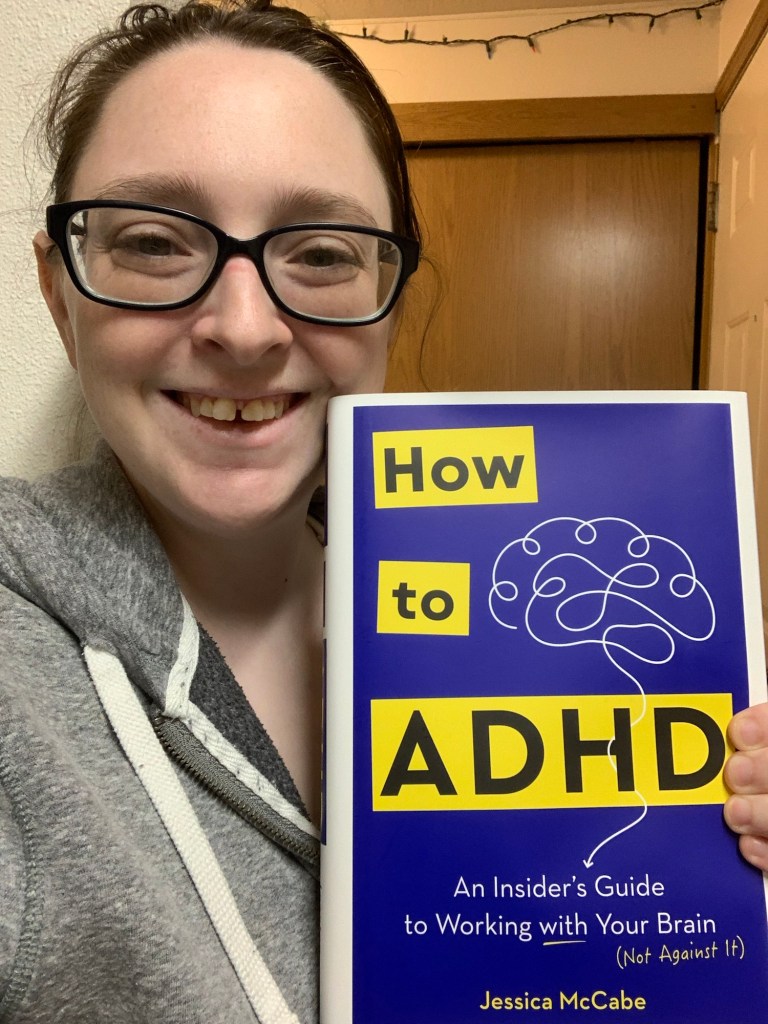
If you want to make a difference, support organizations like the Autistic Self Advocacy Network and Neuroclastic. Follow and amplify voices of neurodivergent content creators such as Neurodivergent Rebel and Jessica McCabe of How to ADHD. These groups and individuals are working tirelessly for change, and they need your support.
If you come across misinformation about Autism or ADHD, speak up. Correct the record. And if you’re in a position to do so, contact your politicians to oppose policies that harm our communities.
Above all, reach out to the neurodivergent people in your life. Let them know you see them, you support them, and you’re standing with them in the fight for better rights and representation. Ask them how you can continue to support them.
We cannot afford to let history repeat itself. The fight for equality and justice continues, and we need your voice in it.



 The Neurodivergent Homemaker